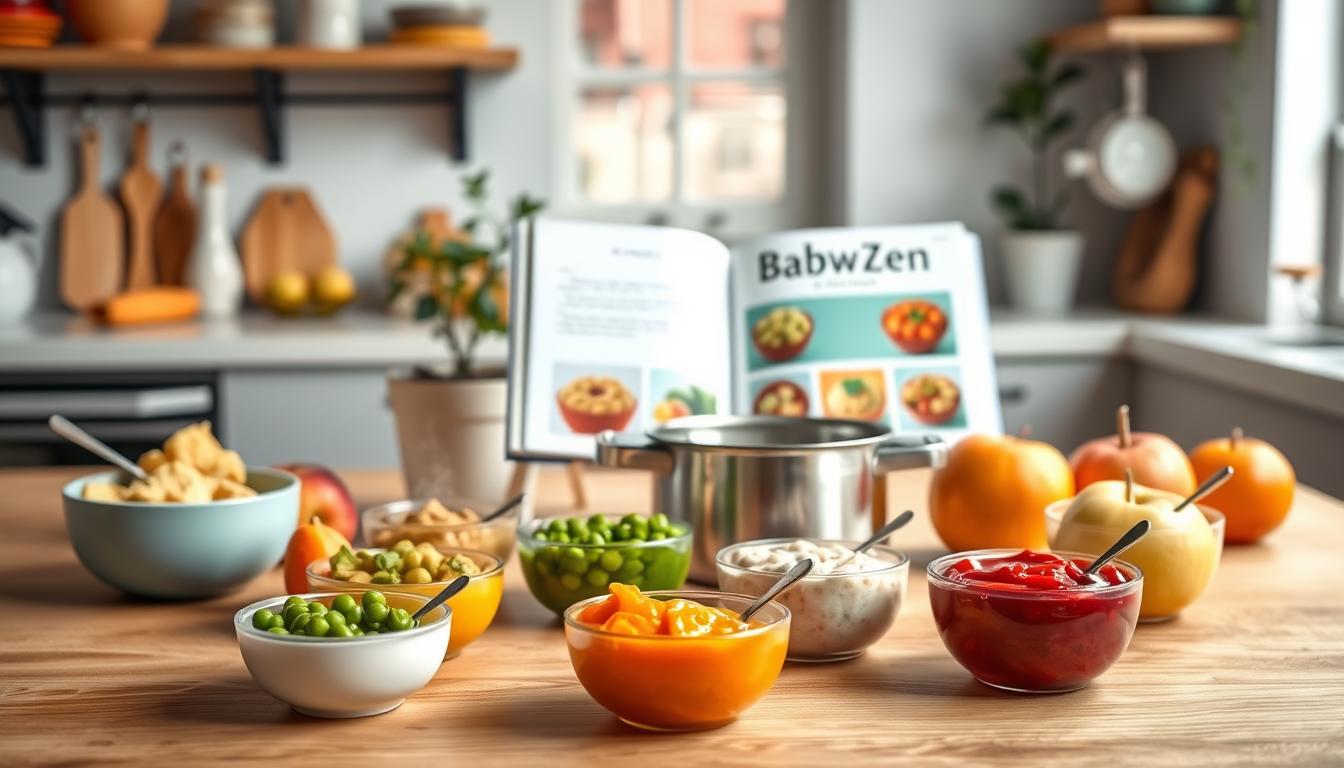
Food Recipes play an important role when parents begin wondering when to start introducing solid and healthy meals to their baby’s diet.
At six months, babies need more nutrients than just breast milk or formula. It’s important to start giving them homemade baby food for their growth.
Making baby food at home gives your baby the best start. It ensures they get the right nutrients. The recipes in this article are simple and healthy, perfect for 6-month-old babies.
Table of Contents
Key Takeaways
- Homemade baby food provides essential nutrients for growth.
- Simple recipes can be prepared to meet the nutritional needs of 6-month-old babies.
- Introducing solid foods at six months is a significant milestone.
- Healthy meals can be prepared at home using fresh ingredients.
- Baby food recipes can be tailored to suit your baby’s taste and dietary needs.
Starting Solids: What Parents Need to Know
Knowing when and how to introduce solid foods to your baby is key. It’s important to know the signs that show your baby is ready for solid foods.
Signs Your Baby is Ready for Solid Foods
Your baby is ready for solid foods if they have good head and neck control. They should be able to sit up with support and show interest in food. These signs usually show up around six months of age.
Recommended First Foods for Indian Babies
For Indian babies, the first foods should be single-ingredient purees. Foods like rice cereal or fruit purees are good. They are easy on the baby’s stomach and full of nutrients.
Feeding Schedule and Portion Sizes
Begin with small portions (about 1-2 teaspoons). As your baby gets used to eating solids, you can increase the amount. Start with solids once a day and then increase the frequency.
Essential Kitchen Tools for Homemade Baby Food
Preparing homemade baby food needs some key kitchen tools. These tools make the process easier and safer. They help ensure your baby’s meals are both nutritious and healthy.

Basic Equipment for Food Preparation
You’ll need a blender, steamer, and storage containers for making baby food. A blender is key for pureeing fruits and veggies to the right consistency. A steamer cooks veggies without losing nutrients. And, storage containers keep food fresh.
Optional Tools That Make Cooking Easier
While basic tools are enough, some optional tools can make things easier. A food processor can chop or puree food. An ice cube tray is great for freezing food portions for later.
Hygiene and Sterilization Guidelines
Keeping things clean is very important when making baby food. Always wash your hands well before handling food. Also, sterilize equipment before using it. Store food in clean containers and keep them cold or frozen to stay fresh.
| Tool | Purpose |
|---|---|
| Blender | Pureeing fruits and vegetables |
| Steamer | Cooking vegetables without losing nutrients |
| Storage Containers | Storing prepared baby food |
| Food Processor | Chopping or pureeing food |
| Ice Cube Tray | Freezing baby food portions |
Nutritional Guidelines for 6-Month-Olds
When babies are six months old, they start needing solid foods along with breast milk or formula. It’s important to give them a balanced diet to help them grow and develop.
Key Nutrients Your Growing Baby Needs
Babies at six months need iron, protein, and healthy fats. Iron is key for brain growth and is found in iron-fortified cereals and pureed meats. Protein helps with growth and can come from pureed lentils or chickpeas. Healthy fats, like those in avocados and breast milk, are important for brain and nervous system health.
Balancing Breastmilk/Formula with Solids
It’s important to balance breast milk or formula with solid foods. Start with solids once a day and increase to two or three times as they get used to eating. Breast milk or formula should always be the main source of nutrition until about 12 months.

Foods to Avoid During This Stage
Some foods to avoid include honey because of botulism risks and cow’s milk because it’s hard to digest. Also, avoid foods high in sugar, salt, or unhealthy fats.
Potential Allergens to Introduce Carefully
Introduce foods like peanuts, eggs, and fish slowly and in small amounts. Watch for any signs of allergy. Always talk to a pediatrician before adding these foods to your baby’s diet.
Simple Fruit Food Recipes for Beginners
As your baby grows, it’s important to introduce different fruits into their diet. Simple recipes are a great way to start. Fruits are sweet and full of important nutrients.
Apple Puree: Step-by-Step Instructions
Apple puree is a good first food because it tastes mild and is smooth. Peel and core one apple, then steam it until it’s soft. Blend the apple into a smooth puree. You can add breast milk or water to change the thickness.
Banana Mash with Breast Milk
Bananas are a favorite first food because they’re creamy and sweet. Mash a ripe banana with a fork, then mix in some breast milk. This makes it easy to digest and adds potassium.
Pear and Avocado Blend
Pears and avocados are a tasty and healthy mix. Peel and core a pear, and pit an avocado. Blend them until smooth. This mix is full of fiber and healthy fats.
Indian Papaya and Mango Puree
Papaya and mango are tasty and full of vitamins and minerals. Peel and deseed the papaya, and peel the mango. Blend them until smooth. This is a great way to introduce your baby to tropical flavors.
| Fruit Recipe | Key Nutrients | Preparation Time |
|---|---|---|
| Apple Puree | Fiber, Vitamin C | 10 minutes |
| Banana Mash with Breast Milk | Potassium, Vitamin B6 | 5 minutes |
| Pear and Avocado Blend | Fiber, Healthy Fats | 15 minutes |
| Indian Papaya and Mango Puree | Vitamin A, Vitamin C | 15 minutes |
These simple fruit recipes are perfect for introducing your baby to solid foods. They are easy to make, nutritious, and can be adjusted to your baby’s taste.
Nutritious Vegetable Food Recipes
At six months, babies start to enjoy vegetables through tasty recipes. These recipes add important nutrients and flavors, making meals fun for them.
Sweet Potato Puree with Cinnamon
Sweet potatoes are full of vitamin A and fiber, making them a great first food. Boil or steam them until soft, then blend with cinnamon. Cinnamon adds a warm flavor babies adore.
Carrot Puree with Ghee
Carrots are rich in beta-carotene, good for vision and immunity. Steam the carrots, then puree them. Adding a teaspoon of ghee enhances the nutritional value and taste.
Pumpkin and Apple Blend
Pumpkin is full of nutrients and gentle on a baby’s stomach. Mix cooked pumpkin with apple for a tasty, healthy puree. This mix is sweet, nutritious, and full of fiber and vitamins.
Green Pea and Mint Mash
Green peas are a protein and vitamin powerhouse. Blend cooked peas with fresh mint for a refreshing, healthy mash. Mint’s cooling effect is perfect for babies.
These recipes introduce your baby to various flavors and textures, ensuring a balanced diet. By using different vegetables and healthy fats like ghee, you create nutritious meals that help your baby grow and develop.
Traditional Indian-Inspired Baby Food Recipes
Starting your baby on traditional Indian flavors is a great way to begin their food journey. Indian food is rich in spices, grains, and veggies, perfect for baby food. Always check with your pediatrician before changing your baby’s diet.
Simple Khichdi for Beginners
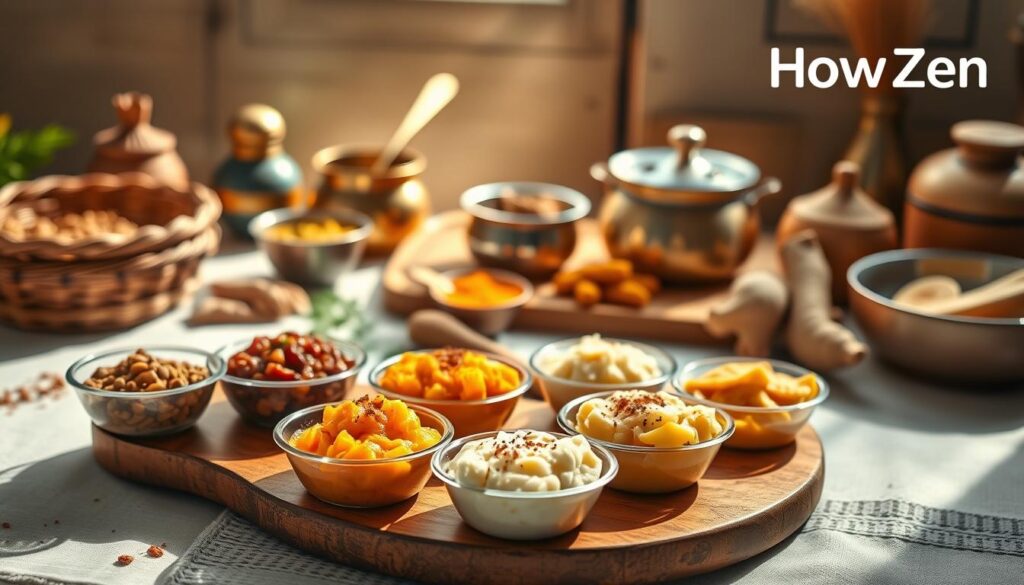
Khichdi is a mix of rice and lentils, ideal for babies. Cook rice and moong dal until soft. Add a pinch of cumin for taste. Blend it smooth for your baby’s age.
Ragi Porridge with Jaggery
Ragi, or finger millet, is full of calcium and iron. Roast ragi flour, then mix with water and cook until thick. A bit of jaggery makes it tasty. It’s nutritious and easy to digest.
Moong Dal Puree with Cumin
Moong dal is great for baby food. Cook it soft, then blend with cumin. This puree is full of protein and can be mixed with breast milk or formula.
Suji Kheer with Saffron
Suji kheer, or semolina pudding, is a tasty Indian dessert for babies. Use less sugar and add saffron for health benefits. Cook semolina in milk, add saffron, and sweeten with a bit of jaggery. It’s yummy and gives carbs.
Adapting Family Meals for Baby
Adapting family meals is a simple way to introduce Indian cuisine to your baby. Many dishes can be made baby-friendly by adjusting spices and texture. For example, blend a portion of dal or curry before adding spices. Dr. Anupama Menon, a pediatrician, says,
“Involving babies in family meals can make mealtime more enjoyable and help them develop healthy eating habits.”
By adding these traditional Indian-inspired recipes to your baby’s diet, you offer a rich culinary experience. It also ensures they get the nutrients they need for growth.
Storage and Meal Planning for Baby Food Recipes
Keeping homemade baby food fresh and safe is key. It’s important to plan and store it right. This way, the food stays healthy for your little one.
Safe Storage Guidelines and Timelines
Use airtight containers and date them to track freshness. Cooked food can stay in the fridge for 3 days or in the freezer for 3 months. Always check for spoilage before serving.
Freezing in Ice Cube Trays Method
Freezing in ice cube trays is great for portion control. Fill trays with cooked food, freeze, then move to containers or bags for storage.
Weekly Meal Planning Chart
Make a weekly meal plan to stay organized. Plan meals, make a shopping list, and prep ahead. This saves time and ensures a balanced diet.
Signs of Food Spoilage to Watch For
Know the signs of spoiled food like bad smells, sliminess, or mold. If unsure, throw it away to keep your baby safe.
Conclusion: Creating Healthy Eating Habits from the Start
Starting babies with a variety of healthy foods is key to a lifetime of good eating habits. By adding many nutritious foods to their diet, parents help their babies love food. This is a great start.
Making healthy baby food is easy. Simple recipes with fresh ingredients give babies the nutrients they need. Parents can try steaming veggies and fruits to keep them full of nutrients.
Parents can keep trying new baby food recipes. This adds new flavors and textures to their baby’s meals. It makes sure their diet is balanced and helps them develop good eating habits. With the right guidelines and recipes, parents can make sure their baby eats well for years to come.
FAQ
What are the signs that my baby is ready for solid foods?
Your baby is ready for solid foods when they can sit up with support. They should also have good head and neck control. Showing interest in food is another sign.
How do I introduce potentially allergenic foods to my 6-month-old baby?
Start with a small amount of potentially allergenic foods. Watch for any signs of an allergy, like a rash or digestive issues.
What are some healthy first foods for my baby?
Healthy first foods include single-ingredient purees. Try rice cereal, fruit purees, and vegetable purees like sweet potato and carrot.
How do I store homemade baby food safely?
Use airtight containers for homemade baby food. Label them with dates. Store them in the fridge or freezer to keep them fresh.
Can I use family meals as a basis for my baby’s diet?
Yes, you can. Puree or mash family meals to make them safe for your baby. This way, you can meet their dietary needs.
How often should I feed my 6-month-old baby solid foods?
Start with once a day at six months. Then, increase to two or three times a day. Make sure to balance with breast milk or formula.
What kitchen tools are essential for preparing homemade baby food?
You’ll need a blender, steamer, and storage containers. A food processor is optional but can make things easier.
How can I ensure my baby is getting a balanced diet?
Provide a variety of foods rich in nutrients like iron, protein, and healthy fats. Keep breastfeeding or formula feeding to ensure a balanced diet.